
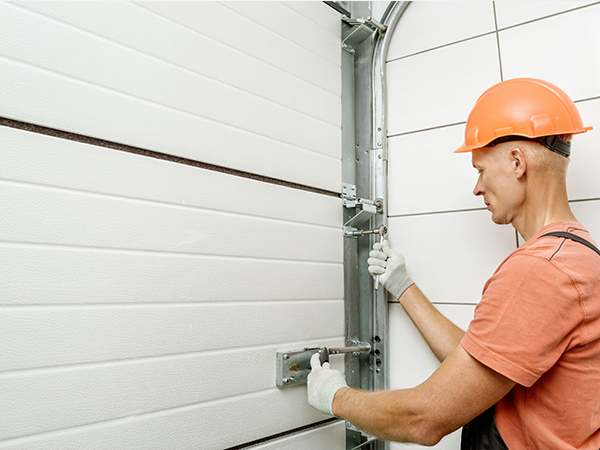
A garage door going off track isn’t just a random event. It usually comes with a backstory. Maybe it starts with a strange noise, a slight jerk, or a door that suddenly feels heavier than usual. It’s easy to brush these off until the entire door leans or jams. That’s when it becomes not just annoying, but dangerous and expensive.
When a garage door comes off its track, the entire system is thrown out of balance. Suddenly, a once-reliable entry point becomes a source of stress, risk, and unexpected bills. But the real reason this happens is surprisingly preventable.
The Hidden Culprit Behind Most Off-Track Garage Doors
It often starts with something simple: force. Garage doors are designed to glide smoothly along a track. But when something disturbs this motion (say, a small object in the track or an accidental bump from a car – the door tries to keep moving. That effort can twist the wheels, bend the tracks, and pull the door completely out of alignment.
The good news? It rarely happens without warning. There are early signs that something’s off.
Signs Your Garage Door is Headed Off Track
Paying attention to your garage door’s behavior can save you time, money, and stress. Here are some of the clearest signs that things are heading in the wrong direction:
- Uneven movement when opening or closing
- Loud grinding, squeaking, or popping sounds
- Gaps between the rollers and the track
- The door looks crooked or tilted
- Sudden jerks or stops mid-motion
- A heavier-than-usual door
These signs are your garage’s way of speaking up. And the sooner you listen, the better.
Everyday Mistakes That Push Doors Off Track
Sometimes, it’s not wear and tear; it’s human habits that trigger the trouble. Here are common everyday actions that unknowingly damage your garage door system:
- Closing the door with something in the way, even just a broom handle
- Backing into the door, even at slow speeds
- Letting kids hang from the door while it’s moving
- Using force to open or close a stuck door
- Skipping regular checks and cleaning
Each of these adds stress to a system that’s built for balance. When that balance is lost, problems follow.
Why Tracks Bend, and How It Wrecks the Whole System
Garage door tracks aren’t just guides; they’re the backbone of the whole system. They’re built to hold weight and stay straight. But even a small dent can tilt a roller and throw everything off. Once that happens, the other parts follow: the cables tighten unevenly, the rollers pop out, and the opener strains harder.
And when one part breaks? The rest work harder to compensate. It’s a chain reaction that ends in a stuck, crooked, or completely broken door.
Simple Habits That Keep Your Door On Track
Thankfully, keeping a garage door healthy doesn’t require complex tools or technical know-how. With just a few easy habits, you can avoid most problems:
- Look at the tracks regularly for dust, dents, or misalignment
- Clean the rollers every few months with a damp cloth
- Lubricate moving parts with silicone-based lubricant, not grease
- Listen to your door while it opens and closes. A smooth, quiet motion is a good sign.
- Keep the path clear and never store things close to the track
- Test the balance by disconnecting the opener and lifting the door manually halfway. If it doesn’t stay put, something’s off.
These habits don’t take much time. But they protect your door, your safety, and your budget.
When It’s More Than a DIY Fix
Even with the best habits, wear and tear catch up eventually. Springs wear down, cables fray, and brackets loosen. And while it’s tempting to fix things with a wrench and some determination, some problems demand more than a quick tweak.
Trying to force a roller back into a bent track or tighten a loose cable can make things worse, and even cause injury. That’s when professional experience matters most.